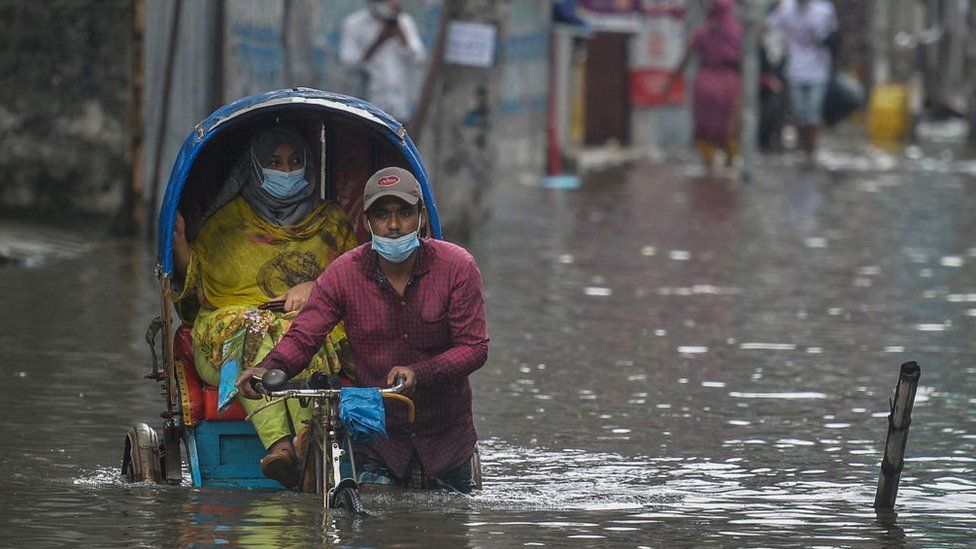
Establishing a dedicated fund for loss and damage
At COP 27, an agreement was made to provide vulnerable countries with loss and damage funding in the event of climate disasters. The creation of the fund is still in the works, but recognition of the need for finance to respond to loss and damage is a substantial step forward.
Keeping 1.5°C within reach
In 2015, as a part of the Paris Climate Agreement, world leaders created a goal to prevent the increase of the global average temperature from surpassing 1.5°C. However, recent studies have shown that we are off track to reach this target. The global average temperature is currently oncourse to increase by 2.5°C by the end of the century. At COP 27, countries reaffirmed their intention to ramp up climate action. They plan to do this by focusing their efforts on decreasing global greenhouse gas emissions by transitioning to low emission and renewable energy.


Holding businesses and institutions to account
UN Climate Change has made transparency commitments from businesses and institutions a priority in 2023. The UN Secretary General requested that they come up with a plan to ensure accountability with non state actors.
Financial Support
COP 27 created a pathway to align broader finance flows towards low emissions and climate resilient development. The ‘Cover Decision’, also called the Sharm el-Sheikh Implementation Plan highlights the expectation that investments of 4-6 trillion are required annually to transition to a low carbon economy.


Implementation
The decisions taken COP 27 have strong emphasis on implementation. These agreements aim to further action by countries to reduce greenhouse gas emissions, boost support to developing countries, and adapt to climate change. During COP 27, a work programme called ‘just transition’ was established. This programme aims to build on and complement mitigation, ambition, and adaptation efforts.
 Sustainability Journey's